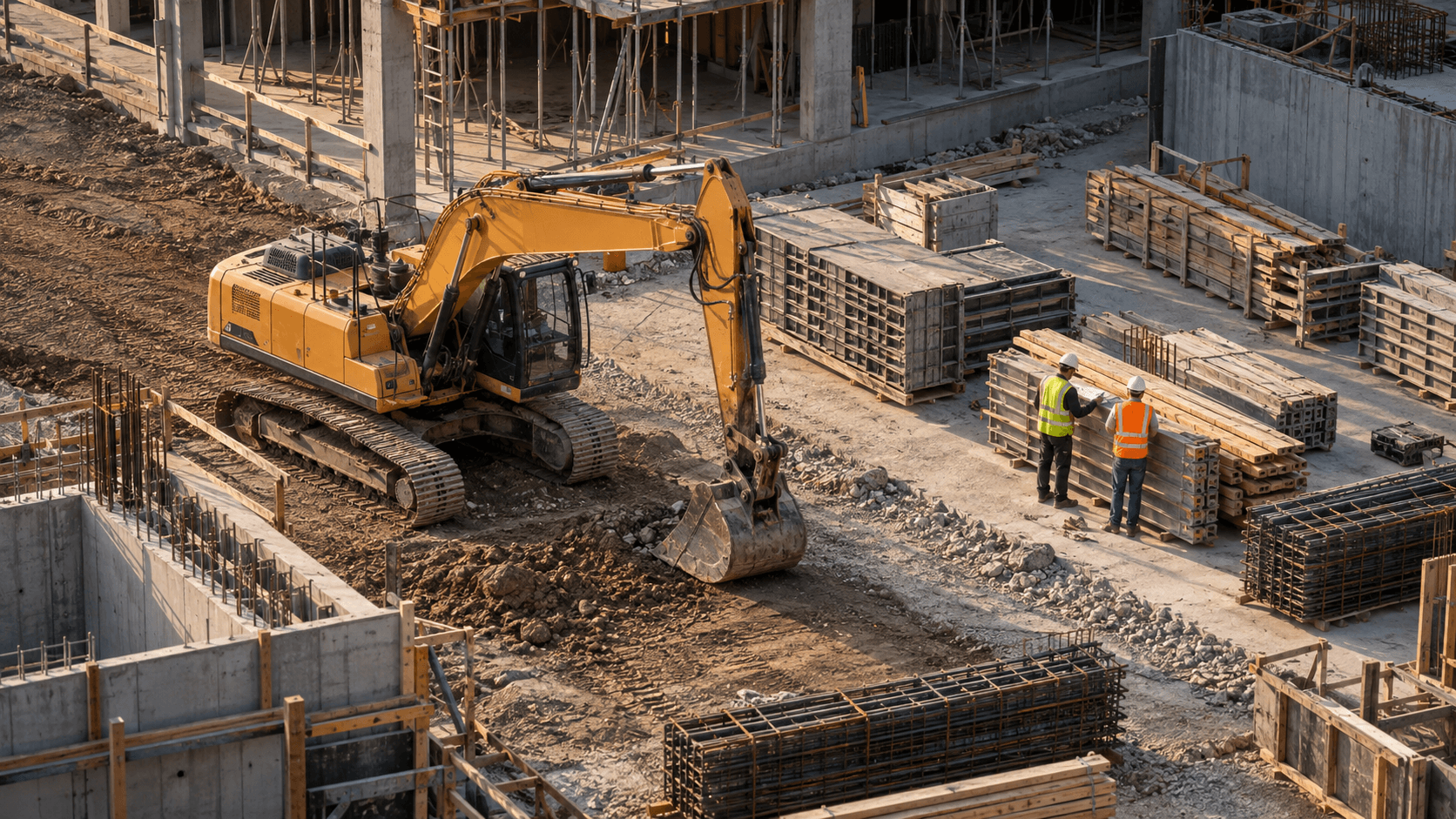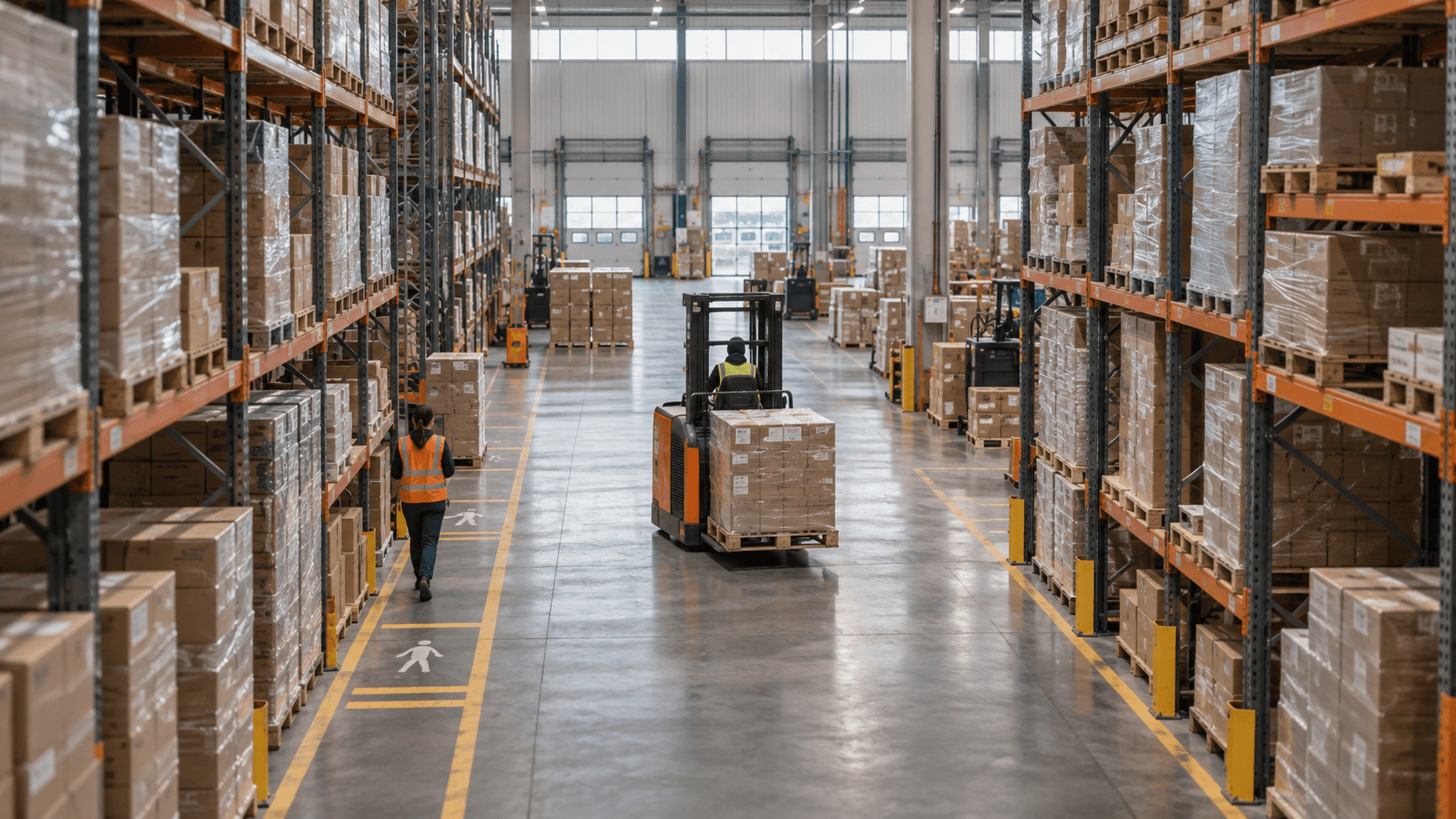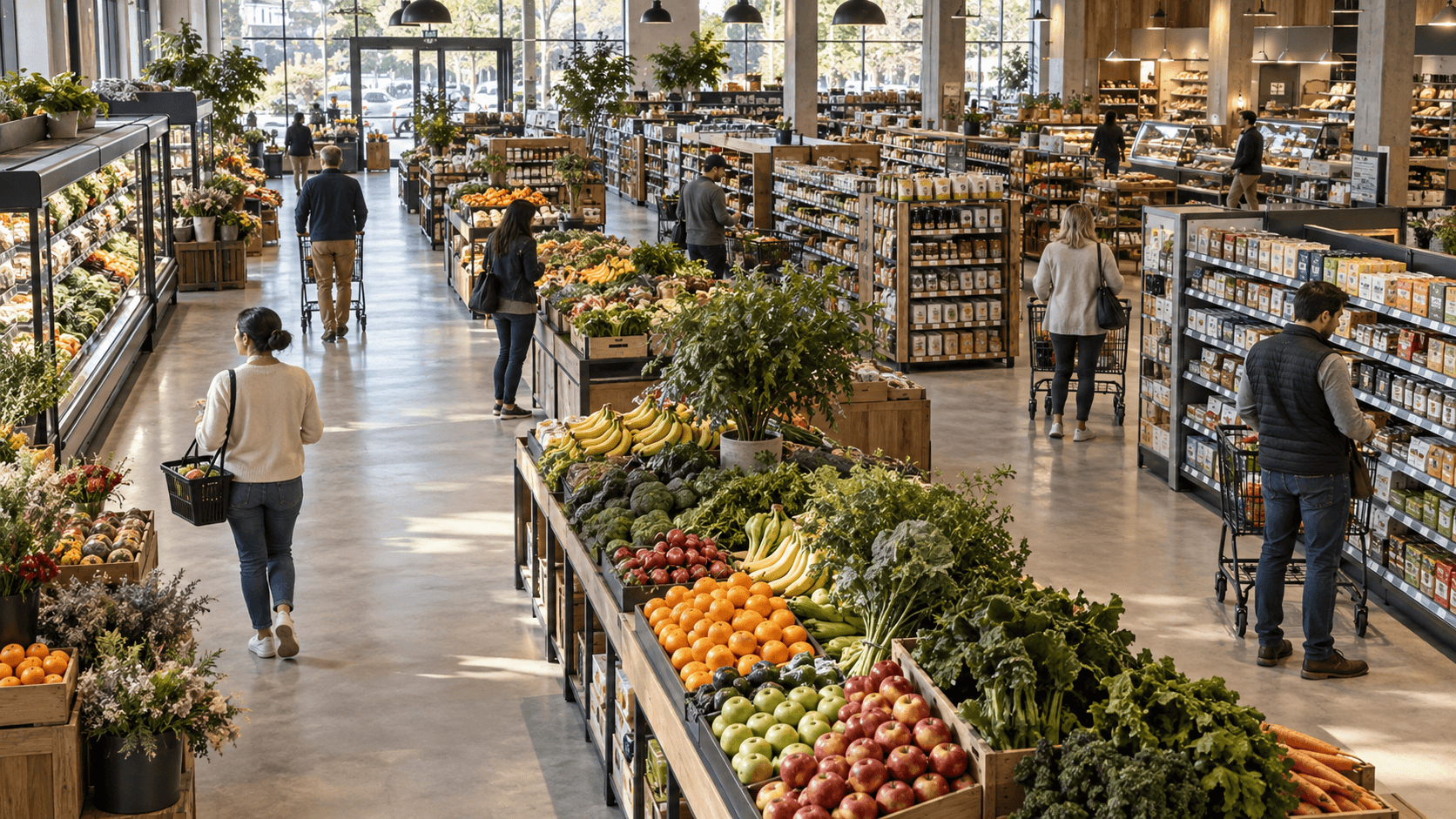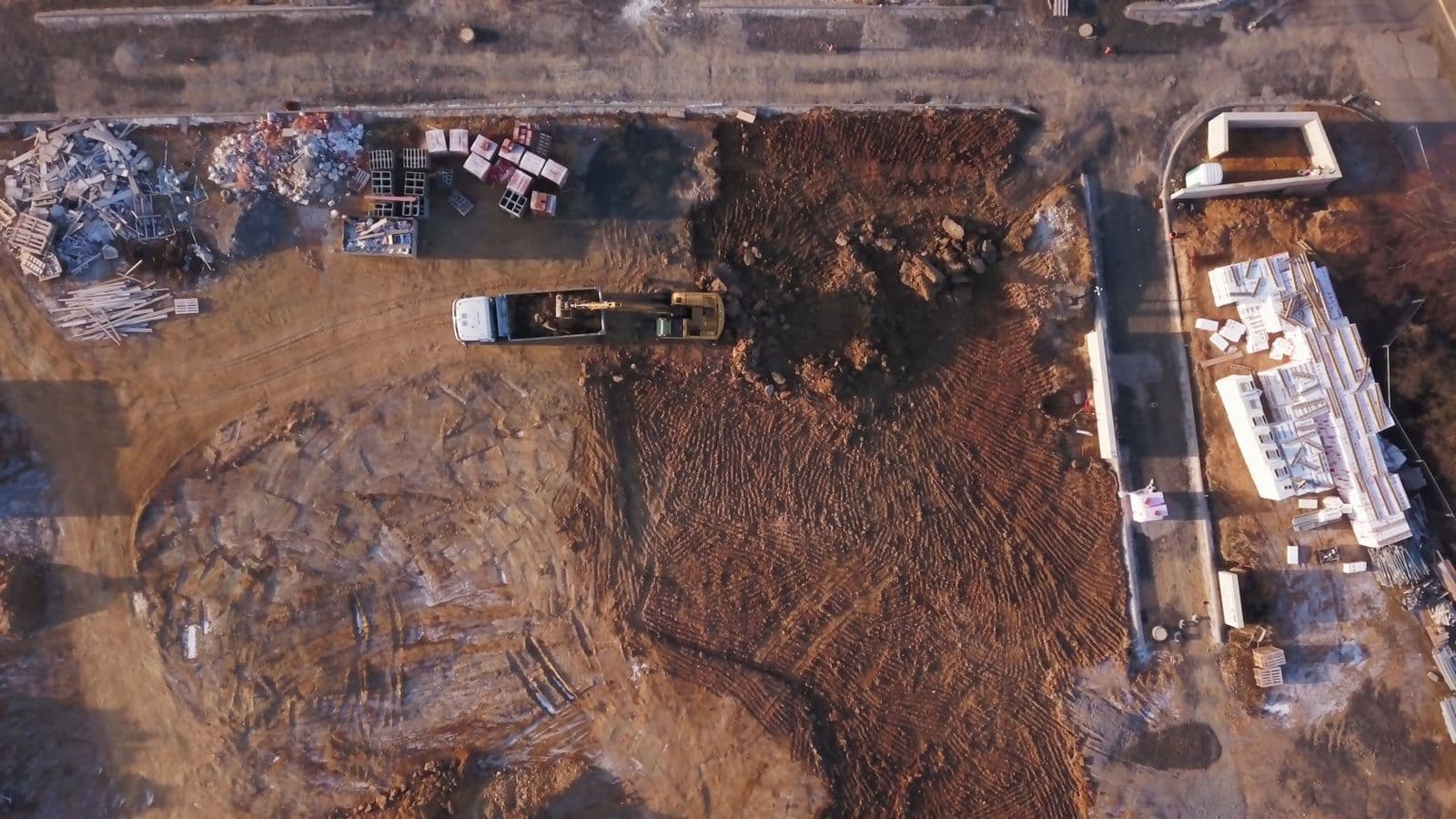

Start with a question, not a camera count
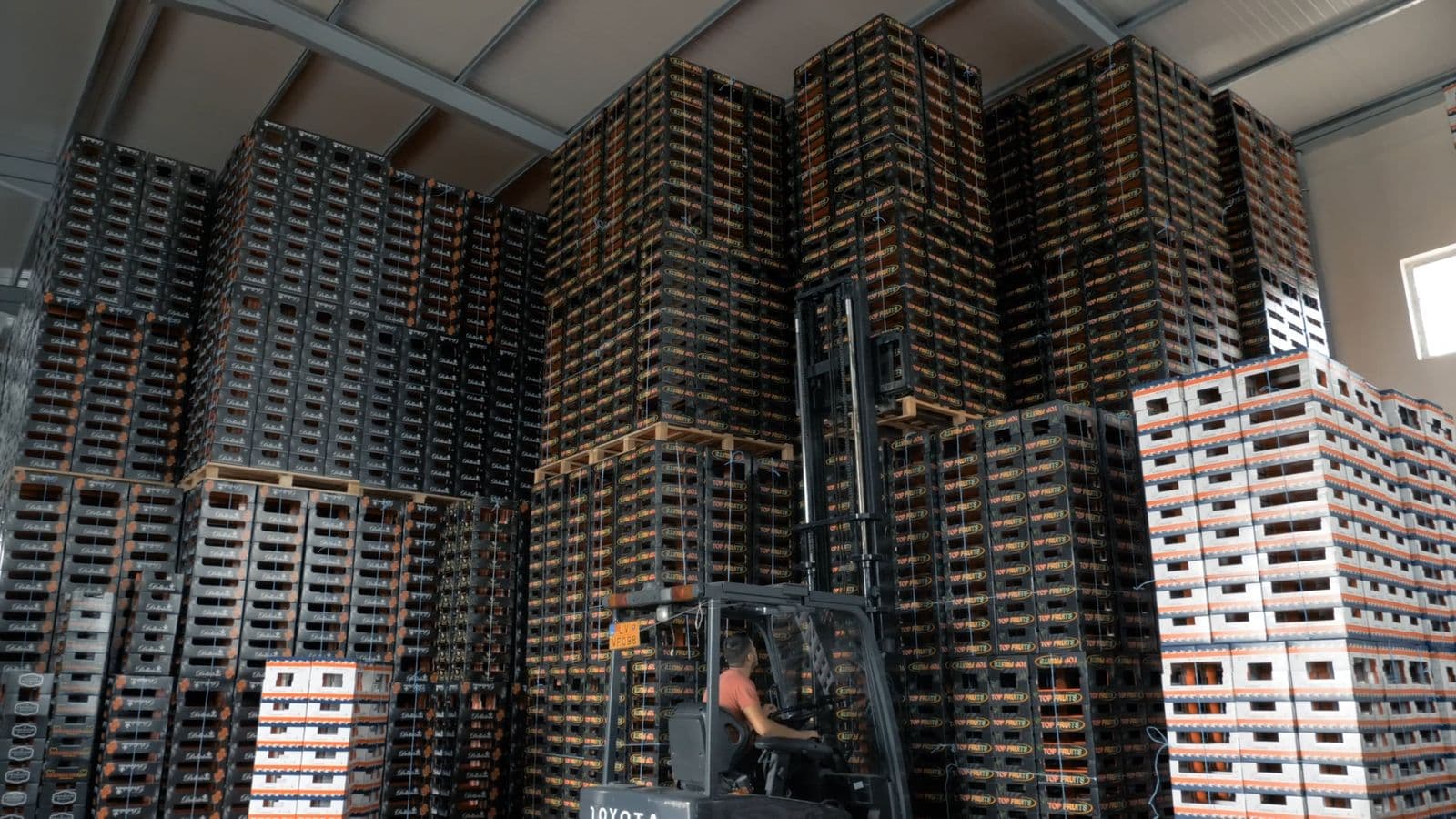
A camera records a view. An operations team needs an answer: where did this pallet go, which route is blocked, or when did that work area become available? Our starting point at Talona is the gap between those two things.
Before considering a model or a new installation, choose a question that someone on the floor actually needs to answer. Define the area it concerns, the objects involved, and what a useful observation would look like. That gives the project a practical boundary.
Give observations a place
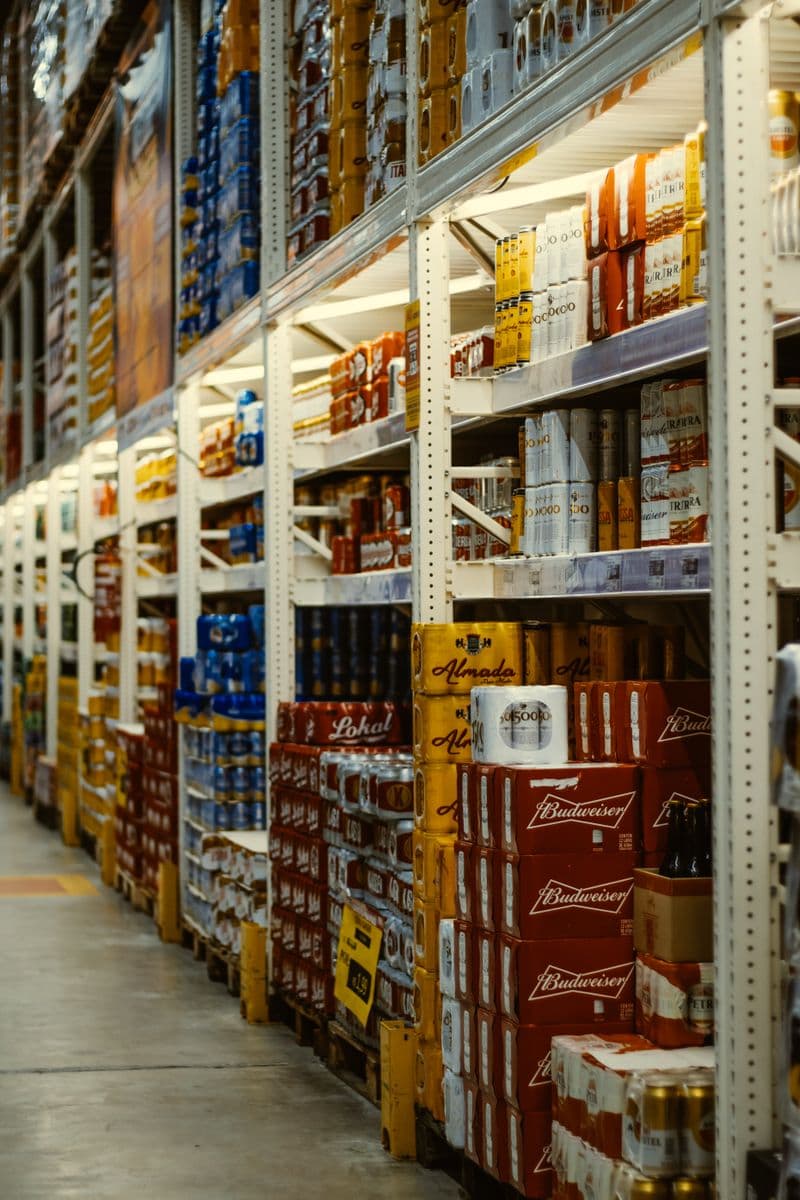
An object label alone carries little operational context. A pallet in a storage zone and a pallet in a pedestrian route may look similar in a frame, but they mean different things to the team using that space.
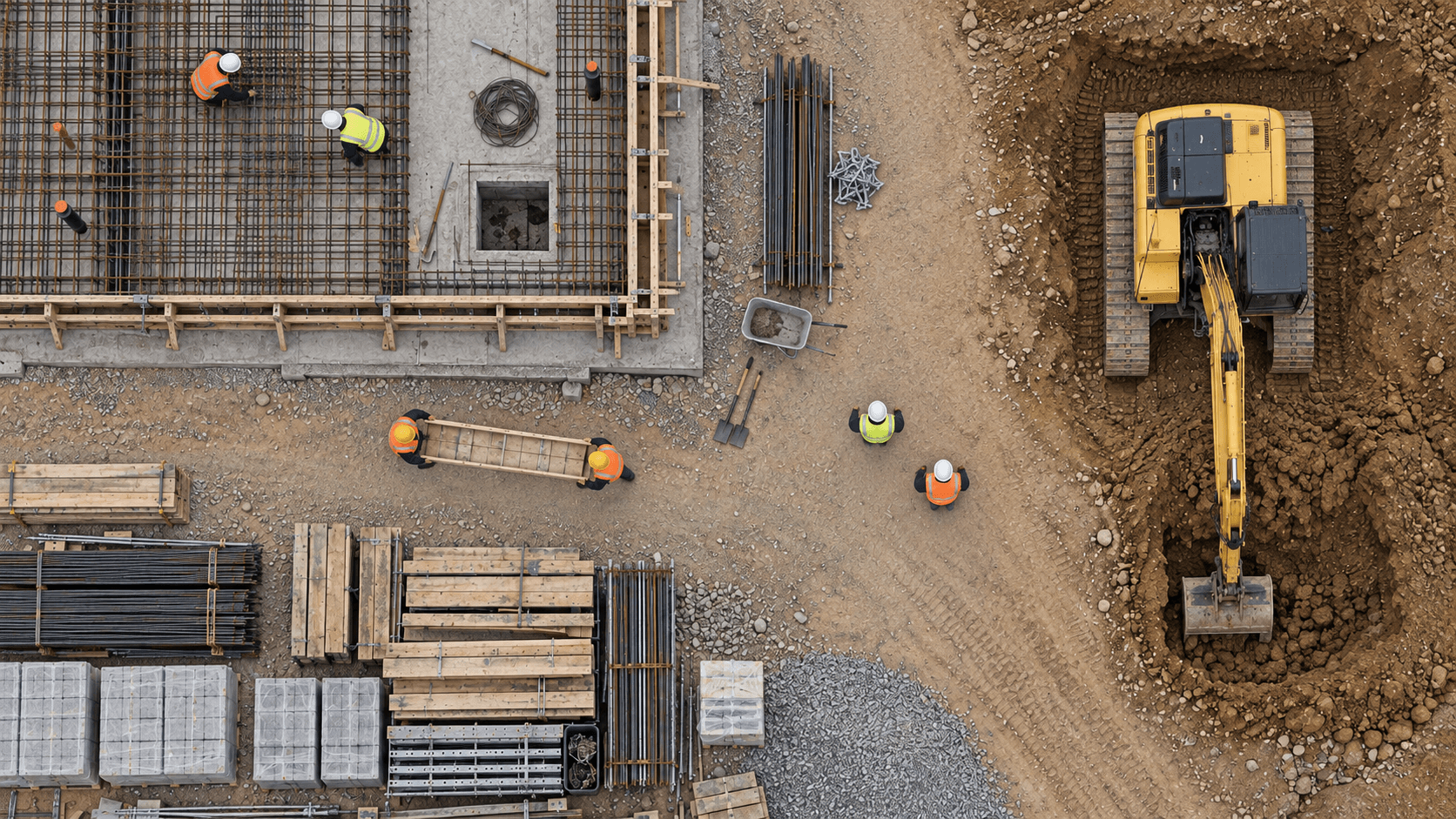
The physical data layer we are building connects observations to locations, zones, and time. The aim is a shared view that lets a team move from a site-level question to the underlying event and its visual evidence.
Keep the evidence within reach
Cameras have blind spots. Objects overlap. Lighting changes. A useful system must make room for incomplete observations and give people a way to check what it is showing them.
We see the camera view and the spatial overlay as complementary parts of the same interface. One provides the original scene; the other helps a person locate and interpret the details. The goal is to make everyday decisions easier to investigate, with the evidence close at hand.